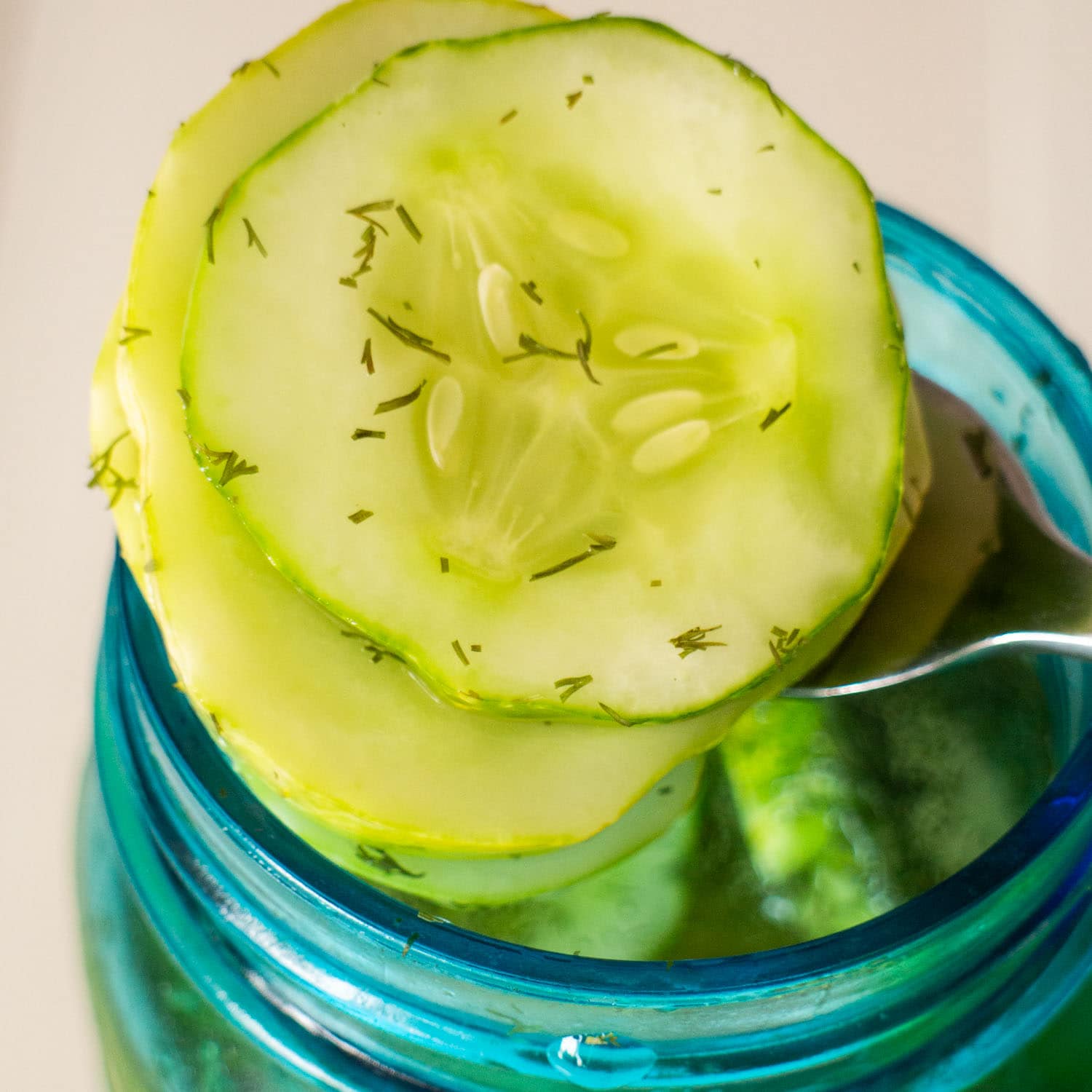
Unlock Crispy Perfection: The Secret Ingredients for Homemade Hamburger Dill Pickles
There's an undeniable magic that happens when a juicy burger meets the perfect pickle. That delightful crunch, the tangy zest, and the burst of savory dill can transform a good burger into an extraordinary one. While store shelves are stocked with options, the truth is that homemade hamburger dill pickles offer a superior experience – unmatched in flavor, texture, and the sheer satisfaction of crafting them yourself. Forget soggy, bland commercial pickles; this guide will reveal the essential ingredients and insider tips to achieve crispy, tangy perfection right in your own kitchen.
Making your own pickles isn't just about taste; it's about taking control. You dictate the quality of every ingredient, customize the spice profile to your exact liking, and ensure a freshness that simply can't be replicated. It’s a rewarding culinary adventure that promises to elevate every burger, sandwich, and snack you enjoy.
The Foundation of Flavor: Choosing Your Cucumbers Wisely
The journey to perfect homemade hamburger dill pickles begins long before you even think about the brine. The single most critical decision you'll make is selecting the right cucumbers. Not all cucumbers are created equal, especially when it comes to pickling.
- Pickling Cucumbers are Paramount: These varieties are specifically bred for their smaller size, firmer flesh, and thinner skins, all of which contribute to a wonderfully crisp pickle. Regular slicing cucumbers, with their higher water content, thicker skins, and larger seeds, are prone to becoming mushy and losing their structural integrity during the pickling process.
- Top Varieties to Look For:
- Kirby Cucumbers: Often considered the gold standard, Kirbys are small, firm, and boast thin, bumpy skin. They maintain an incredible crunch and absorb flavors beautifully.
- National Pickling Cucumbers: These are another excellent choice, typically blockier than Kirbys, providing a substantial, satisfying crunch.
- Boston Pickling Cucumbers: A beloved heirloom variety, known for its consistent size and robust, classic pickle flavor.
- What to Avoid: Steer clear of varieties like English (hothouse) cucumbers or large garden cucumbers with prominent seeds. Their delicate structure or high water content will lead to a disappointing, soft pickle.
- Freshness is Non-Negotiable: Regardless of the variety, freshness dictates crunch. Always select cucumbers that are firm to the touch, vibrant green, and free from any soft spots, blemishes, or yellowing. Ideally, you should aim to pickle them within 24 hours of harvest or purchase. A great tip is to visit local farmer's markets, where you can often find freshly picked, ideal pickling cucumbers. If buying from a grocery store, always check the harvest or expiration date and choose the absolute freshest available.
Once you have your pristine cucumbers, a quick wash and a trim of the blossom end (which contains enzymes that can soften pickles) will prepare them for their transformation.
Crafting the Perfect Brine: The Heart of Your Hamburger Dill Pickles
The brine is where the magic truly happens, transforming humble cucumbers into the tangy, aromatic delights we crave. It’s a precise balance of salt, acid, and spices that preserves the cucumbers and infuses them with their signature flavor. Here’s a breakdown of the essential components:
- Water: Use filtered or distilled water whenever possible. Tap water, especially if it's hard or chlorinated, can sometimes introduce off-flavors or affect the clarity of your brine.
- Vinegar: White distilled vinegar (with 5% acidity) is the most popular choice for hamburger dill pickles due to its neutral flavor, which allows the dill and other spices to shine. For a slightly sweeter, more complex, and mellower tang, you could experiment with apple cider vinegar, but ensure it also has 5% acidity for proper preservation.
- Salt: This is crucial. Pickling salt (also known as canning salt) is specifically designed for pickling. It's pure sodium chloride, lacking iodine and anti-caking agents, which can cause pickles to darken and the brine to become cloudy. If pickling salt is unavailable, pure kosher salt (check the label for additives) is an acceptable substitute. Avoid table salt at all costs.
- Sugar: A small amount of granulated sugar is often included to balance the acidity of the vinegar, mellowing the sharp tang and enhancing the overall flavor profile without making the pickles overtly sweet.
- Spices: This is where your personal touch comes in! The classic dill pickle flavor comes from a combination of pungent, aromatic spices.
- Dill Seeds: Essential for that signature dill flavor. Fresh dill heads or sprigs can also be added for an even more pronounced herbaceous note.
- Garlic Cloves: Peeled and often lightly crushed, garlic adds a savory depth and aromatic warmth.
- Black Peppercorns: Contribute a subtle, spicy kick.
- Mustard Seeds: Offer a mild, tangy pungency that complements the dill beautifully.
- Red Pepper Flakes: (Optional) For those who like a touch of heat, a pinch of red pepper flakes adds a pleasant warmth.
A Basic Brine Recipe (Adjust to Taste):
This foundational recipe can be adapted easily. Remember, the quality of your spices greatly impacts the final flavor, so opt for fresh, whole spices where possible.
- 4 cups filtered water
- 4 cups white distilled vinegar (5% acidity)
- 1/4 cup pickling salt
- 1/4 cup granulated sugar
- 2 tablespoons dill seeds
- 4 cloves garlic, peeled and crushed
- 1 tablespoon black peppercorns
- 1 tablespoon mustard seeds
- 1/2 teaspoon red pepper flakes (optional, for a little heat)
Combine all these ingredients in a large saucepan. Bring the mixture to a boil over medium-high heat, stirring until the salt and sugar are completely dissolved. Reduce the heat and let it simmer gently for about 5 minutes. This allows the spices to infuse into the liquid, creating a rich, flavorful brine that is ready for your cucumbers.
Beyond the Basics: Advanced Tips for Unbeatable Crunch and Flavor
While the right cucumbers and a well-balanced brine are fundamental, a few extra tricks can elevate your homemade hamburger dill pickles from great to absolutely legendary.
Achieving Maximum Crunch:
- Ice Bath Prep: Before packing your cucumbers into jars, give them an ice bath for 30 minutes to an hour. This shock treatment helps firm up their cell walls, contributing to a crisper pickle.
- Trimming the Blossom End: Cucumbers have enzymes located in their blossom end (the end opposite the stem) that can soften pickles. Trimming off about 1/16th of an inch from this end before pickling can significantly improve crispness.
- Pickling Crisp (Calcium Chloride): For an almost guaranteed crunch, consider adding a pinch of pickling crisp (calcium chloride) to each jar. This natural mineral reacts with the pectin in the cucumbers, making them incredibly firm without altering flavor.
- Grape Leaves: A lesser-known but effective trick is to add a fresh grape leaf to each jar. The tannins in the grape leaves help inhibit the enzymes that cause softening.
Deepening the Flavor Profile:
- Layering Spices: Instead of just dumping spices into the brine, consider placing some directly into each jar alongside the cucumbers. This allows for a more intense and even infusion of flavor directly into the pickles.
- Infusion Time: While refrigerator pickles can be enjoyed relatively quickly, true flavor development takes time. For canned pickles, allow at least 2-4 weeks for the flavors to fully meld and mature before opening a jar.
- Experimentation: Don't be afraid to deviate from the standard! Try adding coriander seeds for a citrusy note, a bay leaf for an earthy undertone, or even a sprig of fresh thyme or oregano. The beauty of Crafting Crispy Hamburger Dill Pickles: Simple Home Recipe at home is the freedom to customize.
Storage and Preservation:
Whether you're making quick refrigerator pickles or preserving them for the long haul, proper preparation is key. Always sterilize your jars and lids thoroughly to ensure food safety and prevent spoilage. For shelf-stable pickles, water bath canning is the standard method, providing jars that can last for a year or more in your pantry. If you're looking for a quicker turnaround, making refrigerator pickles means they are ready in a few days and will keep well in the fridge for several weeks. To learn more about elevating your burger experience with these fantastic additions, check out Elevate Your Burger: Make Crunchy Homemade Dill Pickles Today.
The journey from fresh cucumber to a perfectly crisp hamburger dill pickle is a rewarding one. By paying attention to the quality of your ingredients and employing these proven techniques, you’ll unlock a depth of flavor and an irresistible crunch that no store-bought variety can match. So, gather your ingredients, follow these secrets, and prepare to elevate your burgers, sandwiches, and culinary creations to an entirely new level of deliciousness. Happy pickling!
